Tech & Industry
AMD Launches 6th-Gen EPYC Processors for the AI Data Center Era
AMD has announced general availability of its 6th-generation EPYC SP7 server processors, based on Zen 6. The CPUs are shipping through server manufacturers, with deployments planned across Microsoft Azure and Oracle Cloud Infrastructure.
DailyBox Pulse Editorial5 min read
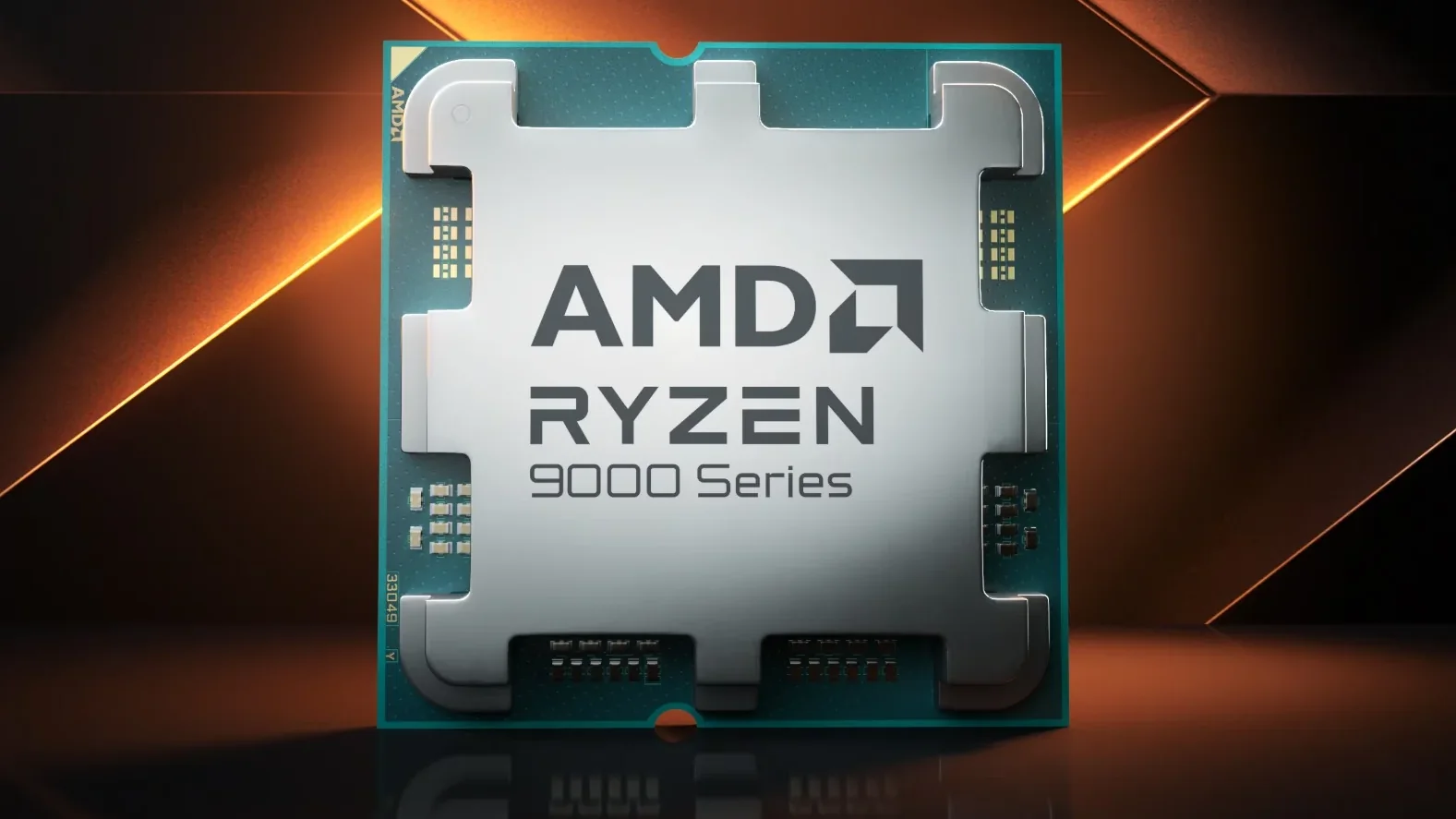
AMD has announced the general availability of its 6th-generation EPYC server processors, bringing its new Zen 6 architecture to data centers at a time when demand for AI computing continues to grow.
Announced on November 10, 2026, the new EPYC SP7 processors are designed for a broad range of server workloads, including cloud computing, enterprise applications, high-performance computing and the infrastructure used to run AI agents. Systems powered by the processors are now shipping from major server manufacturers, while cloud deployments are planned with Microsoft Azure and Oracle Cloud Infrastructure (OCI). AMD's announcement
What is AMD's 6th-generation EPYC?
EPYC is AMD's family of server processors, built for the systems that power cloud platforms, enterprise software, databases and large-scale computing.
The sixth generation is based on Zen 6 and uses the SP7 server platform. Rather than targeting only one type of workload, AMD says the range is designed to support general-purpose computing, AI infrastructure, high-performance computing and demanding enterprise applications.
The processors are part of AMD's broader effort to expand from individual server CPUs into rack-scale systems for AI data centers.
Why CPUs still matter in the AI era
AI infrastructure is often associated with GPUs, which are used to train and run many large AI models. But data centers also need CPUs to coordinate workloads, manage data, run applications and keep accelerators supplied with work.
This becomes especially important as AI agents perform multi-step tasks. An agent may call tools, query databases, access applications and coordinate with other agents. Those operations can create substantial demand for general-purpose compute resources alongside GPU acceleration.
AMD argues that this growing mix of workloads increases the role of server CPUs in modern AI infrastructure. This is the company's positioning for the new EPYC generation, rather than a claim that CPUs replace GPUs.
What is new with Zen 6 and the SP7 platform?
AMD's sixth-generation EPYC family is based on its Zen 6 architecture and is designed for the SP7 server platform.
AMD's product materials highlight several platform features, including support for PCIe Gen 6 and next-generation memory technologies. The wider EPYC 9006 family includes different processor configurations intended for different performance, density and workload requirements.
AMD's press materials describe configurations with up to 256 cores. Exact specifications vary by processor model, so buyers and system designers should consult the individual product specifications rather than assume every chip has the maximum core count.
Independent technical coverage has also discussed Zen 6's architectural changes, memory bandwidth and power requirements. These details matter because data-center operators evaluate not only raw processor performance, but also performance per watt, cooling, memory capacity and total system cost. HPCwire's technical coverage
Which companies are adopting the new processors?
AMD named several ecosystem partners and customers in its announcement:
- Microsoft Azure: AMD says Azure HDv2 is in preview for AI data processing, agentic AI and high-performance computing. Other Azure offerings are also part of the companies' infrastructure collaboration.
- Oracle Cloud Infrastructure: AMD says OCI Compute E7 cloud instances will use 6th-generation EPYC processors.
- Meta: AMD says Meta is validating EPYC-based platforms as the companies prepare for deployment at scale.
- Server manufacturers: AMD says systems based on the new processors are shipping through leading original equipment manufacturers and original design manufacturers.
These announcements show ecosystem activity, but they do not mean that every named company's full infrastructure has already migrated to the new processors. Some deployments are in preview or validation stages. AMD Newsroom
From individual CPUs to AI racks
AMD is also positioning the processors within its broader Helion infrastructure approach. The company's rack-scale designs combine CPU and GPU resources, networking and cooling to support different types of AI workloads.
The idea is to give data-center operators flexibility in how they balance general-purpose CPU work with GPU-based AI processing. Some environments may need dense CPU capacity for agent execution, while others may combine CPU tasks and local GPU inference in the same rack.
This reflects a wider shift in data-center design: AI performance depends on the complete system, not just the accelerator chip.
What does this mean for the AI hardware market?
DailyBox Pulse analysis
The AI infrastructure market is creating opportunities for more than GPU manufacturers. As companies move from experimenting with AI models to operating agents and AI-powered applications at scale, they need a broader mix of computing resources.
AMD's new EPYC processors are part of that trend. They also give cloud providers and enterprise customers another server CPU option as they plan infrastructure for increasingly complex workloads.
However, the practical value of a new processor generation depends on real deployment results: performance on specific workloads, power consumption, system pricing, software compatibility and availability. Vendor comparisons and performance claims should be evaluated against independent benchmarks and the needs of each data center.
Frequently asked questions
What are AMD 6th-generation EPYC processors?
They are AMD server CPUs based on the Zen 6 architecture and SP7 platform. They are designed for cloud computing, enterprise applications, high-performance computing and AI infrastructure.
Are AMD's 6th-gen EPYC processors available?
AMD announced general availability on November 10, 2026, and says systems powered by the processors are shipping from leading server manufacturers. Cloud availability through Microsoft Azure and Oracle Cloud Infrastructure is at different stages, including preview and planned deployments.
Do EPYC processors run AI models?
Server CPUs can support AI infrastructure by coordinating workloads, running applications and databases, and handling tasks around GPU-based model training and inference. They do not replace GPUs for every AI workload.
Which companies are working with AMD on 6th-gen EPYC?
AMD has named Meta, Microsoft Azure, Oracle Cloud Infrastructure and several server manufacturers in its ecosystem announcement. The stage of adoption differs by partner, from validation and preview to planned cloud availability.
What is Zen 6?
Zen 6 is AMD's CPU architecture used in the sixth-generation EPYC server processor family. It provides the underlying processor design for this generation.
Sources
- AMD Showcases 6th Gen AMD EPYC Processors to Lead Next Era of AI and Enterprise Computing · AMD NewsroomOriginal announcement
- 6th Gen AMD EPYC Now Available · AMD NewsroomOriginal announcement
- AMD In Depth: EPYC 'Venice' Makes Its Case on the Power Budget · HPCwireAdditional reporting
- AMD launches 6th Gen EPYC server CPUs as vendor systems begin shipping · AI AffairsAdditional reporting
Related stories

Tech & Industry
Microsoft 365 Outage Disrupts Outlook, Teams and Copilot Worldwide
A major Microsoft 365 service disruption affected Outlook, Teams, Copilot and other connected services across multiple regions. Microsoft attributed the incident to server and infrastructure problems and reported gradual recovery.
4 min read
News · Reviewed and approved by a human editor before publication. Spotted a mistake? Use the contact page and we will correct it and note the update.